


Midwives are the backbone of antenatal care. They are often the first point of contact for women navigating pregnancy, and they carry a workload as emotionally demanding as it is complex. In many maternity units, midwives are stretched between delivering hands-on clinical care, managing a heavy stream of administrative tasks, and ensuring that every expectant mother has the information and reassurance she needs at each stage of her pregnancy.
Against this backdrop, digital health solutions are increasingly promoted as a way to ease the burden. Yet not every tool has been designed with midwives’ reality in mind. Too often, technology ends up adding new layers of admin or pulling focus away from the patient-relationship. If digital maternity pathways are to succeed, they need to be shaped around the actual challenges midwives face.
This article explores what midwives truly need from a digital antenatal solution, the common pitfalls of poorly designed technology, and how well-implemented digital pathways can transform care for both staff and patients. We’ll also look at how Canberra Obstetrics, a busy practice in Australia, used Personify Care’s maternity digital health solution to create a more efficient, patient-friendly model of care.
Table of Contents
The Hidden Pressures on Midwives
Midwives are no strangers to long shifts, emotional labour, and the unpredictability of maternity care. But in addition to these demands, many are weighed down by a mountain of paperwork, phone calls, and manual tracking tasks that leave little time for the work they trained for: supporting women and families through pregnancy, birth and beyond.
Many midwives are experiencing high levels of work-related burnout – 67 % in one survey – driven in part by staffing shortages and skills gaps that include heavy administrative duties. The problem isn’t limited to Australia; a Dutch study found midwives describing paperwork and inter-department communications as ‘a burden’ that siphons time away from direct patient care.
The pressure doesn’t just affect staff. When midwives are stretched thin, expecting mothers feel it too. Communication becomes inconsistent, critical risk factors may be harder to identify early, and appointments can feel rushed. In this way, the challenges of the workforce ripple directly into the quality and safety of antenatal care.
Where Digital Solutions Fall Short
Digital innovation in healthcare is often celebrated as a cure-all, but many maternity teams have experienced the opposite. Poorly designed systems frequently increase the workload, forcing midwives to duplicate data entry across multiple platforms or navigate clunky software that was never meant for clinical workflows.
Some solutions focus narrowly on hospital reporting requirements rather than supporting day-to-day care. Others bombard patients with generic information, overwhelming them instead of guiding them with the right detail at the right time.
The result? Midwives spend just as much time troubleshooting digital tools as they once spent chasing paper forms. Without thoughtful design, “innovation” risks becoming another layer of complexity in an already pressured environment.
What Midwives Actually Need from Technology
For technology to make a real difference, it needs to respect the central role of midwives in antenatal care. That means solutions must be:
- Supportive, not burdensome: Digital pathways should reduce, not add to, the administrative tasks midwives face every day.
- Tailored to maternity workflows: Pregnancy care follows a structured timeline. Digital systems should reflect this with gestation-specific information and pathways that feel natural within established models of care.
- Patient-centred: Tools should strengthen the relationship between midwives and patients by improving communication and ensuring families feel informed and supported.
- Safe and compliant: Clear audit trails, digital consent, and accurate data capture are vital for both medico-legal security and continuity of care.
When these principles are met, a digital maternity solution can shift the balance of midwives’ time back towards patient care and away from paperwork.
What a Good Digital Antenatal Solution Looks Like
A well-designed digital antenatal pathway acts as a partner, not a burden. It invites patients into their care journey from the moment they book, helping them provide history, consent, and preferences through a secure digital channel. It delivers information at the right time in pregnancy, and not all at once, so patients can prepare for appointments without becoming overwhelmed.
For midwives, this means less time spent on manual reminders, fewer phone calls about routine questions, and greater confidence that critical information has been captured before appointments. Instead of juggling spreadsheets or manually checking which forms are outstanding, midwives can see at a glance where each patient sits in their journey.
Crucially, this also supports safer care. With structured digital pathways, risks such as gestational diabetes, hypertension, or social vulnerabilities can be flagged early, allowing midwives and obstetric teams to act before complications arise.
Midwife-Led Success: The Canberra Obstetrics Case Study
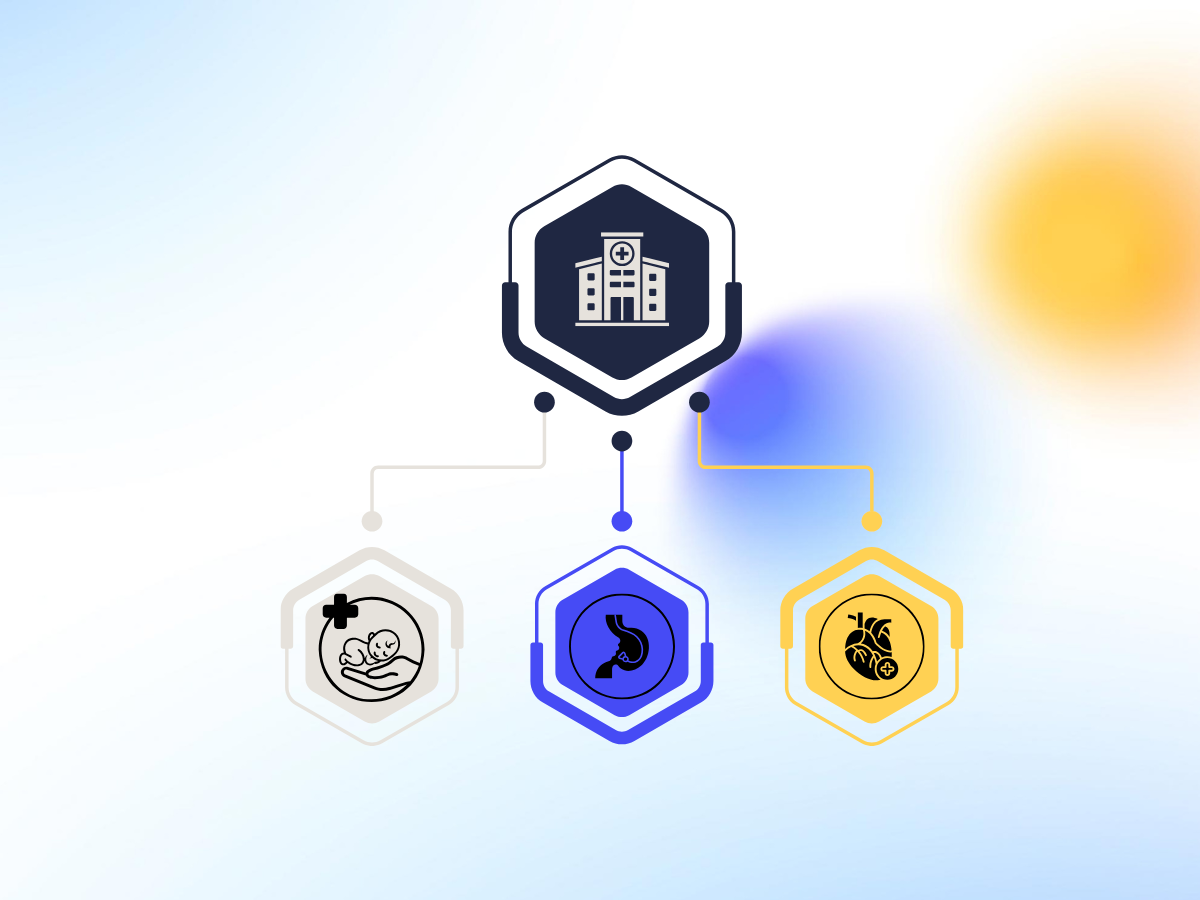
Canberra Obstetrics, a specialist practice managing women across three sites, faced exactly the challenges outlined above: manual tracking systems, inconsistent communication, and staff weighed down by repetitive admin. With Personify Care’s digital maternity pathway, the clinic transformed its antenatal care model.
Patients were onboarded digitally, providing their medical history and consent forms securely from home. Instead of being handed stacks of paperwork, women received information that was tailored to their gestation and care plan. Resources such as Medicare claim guides, breastfeeding support, and due-date reminders were delivered directly to their phones.
For midwives, the change was immediate. Manual chasing of forms disappeared, replaced by automated reminders. A centralised dashboard meant staff could track patient progress at a glance, and risks requiring follow-up were flagged early.
The results spoke for themselves:
- 80% of patients said the digital pathway answered questions they would otherwise have called about.
- 85% reported learning about new health topics through the pathway.
- 90% felt better prepared for their clinical visits.
As Dr Meiri Robertson reflected, “A well-investigated and a well-informed woman becomes a very confident patient. This confidence goes into the postnatal period.”
Midwives also experienced the relief of no longer juggling endless spreadsheets and phone calls. As practice manager, Sarah Bianchi explained, “It’s straight to their phone. Consumers complete things they need to do, and then they get their information along the way… it’s their one-stop shop to get everything they need in a convenient and quick manner.”
Why Digital Pathways Matter in Maternity Care
The Canberra Obstetrics experience highlights the wider opportunity for maternity services across Australia and New Zealand. By implementing maternity digital health solutions, hospitals and clinics can ensure that midwives are supported rather than stretched, and that patients are engaged partners in their care.
In the long term, this isn’t just about efficiency. Digital antenatal pathways reduce risk, improve compliance, and strengthen the patient–clinician relationship. They also create a consistent experience across maternity networks, helping to balance workloads and reduce variation in care.
For healthcare leaders grappling with workforce shortages, patient demand, and compliance pressures, these pathways represent not just innovation but necessity. They allow midwives to focus on what matters most: guiding women and families through one of the most significant journeys of their lives.
The Way Forward
Midwives have always adapted to new challenges with resilience, but they shouldn’t have to shoulder administrative burdens alone. With digital antenatal pathways designed around their needs, the promise of maternity digital health solutions is clear: safer care, more confident patients, and more time for midwives to do the work that truly matters.
Personify Care’s platform has already proven its impact in real-world settings like Canberra Obstetrics. The next step is ensuring more maternity units can access the same benefits.
Book a demo today to see how our digital maternity pathways can support your team and transform patient care.